As crowds continue to pour into Noi Bai International Airport, pressure on safety checkpoints intensifies. While tens of thousands of passengers count down the hours to reunite with their families, there is a team quietly moving against the flow. They are the doctors and medical staff of the Emergency Medical Team.
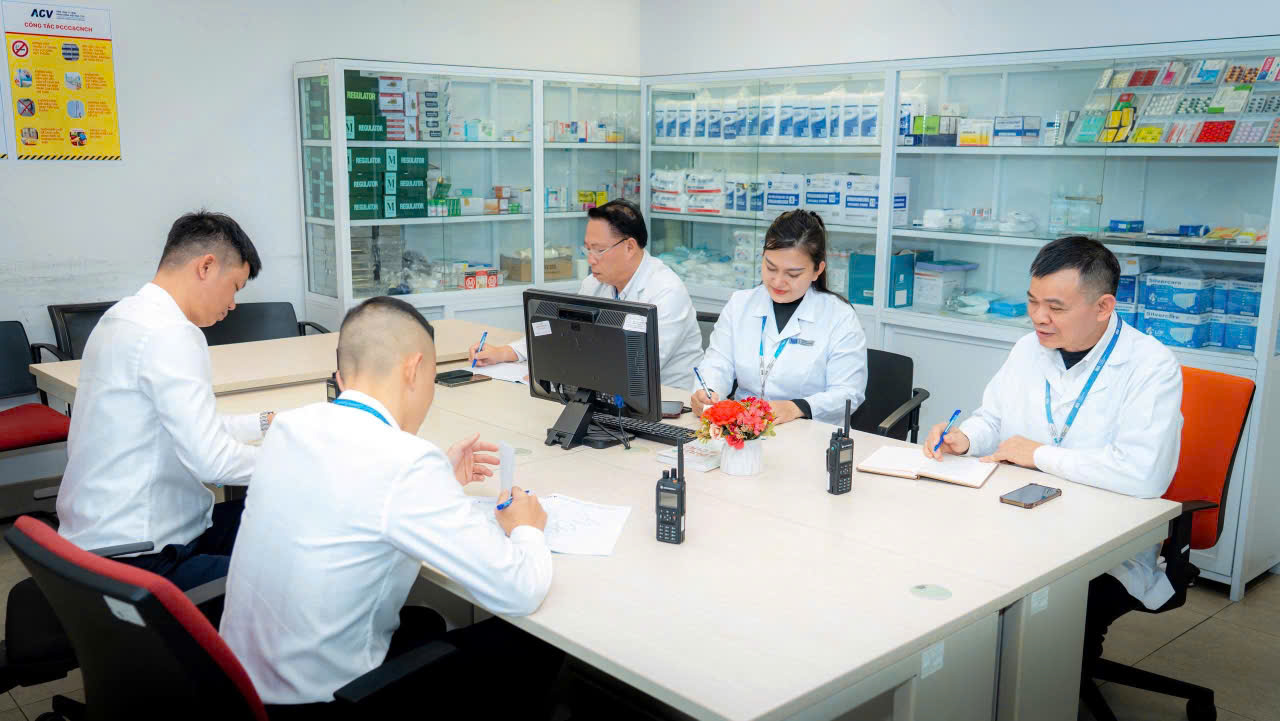
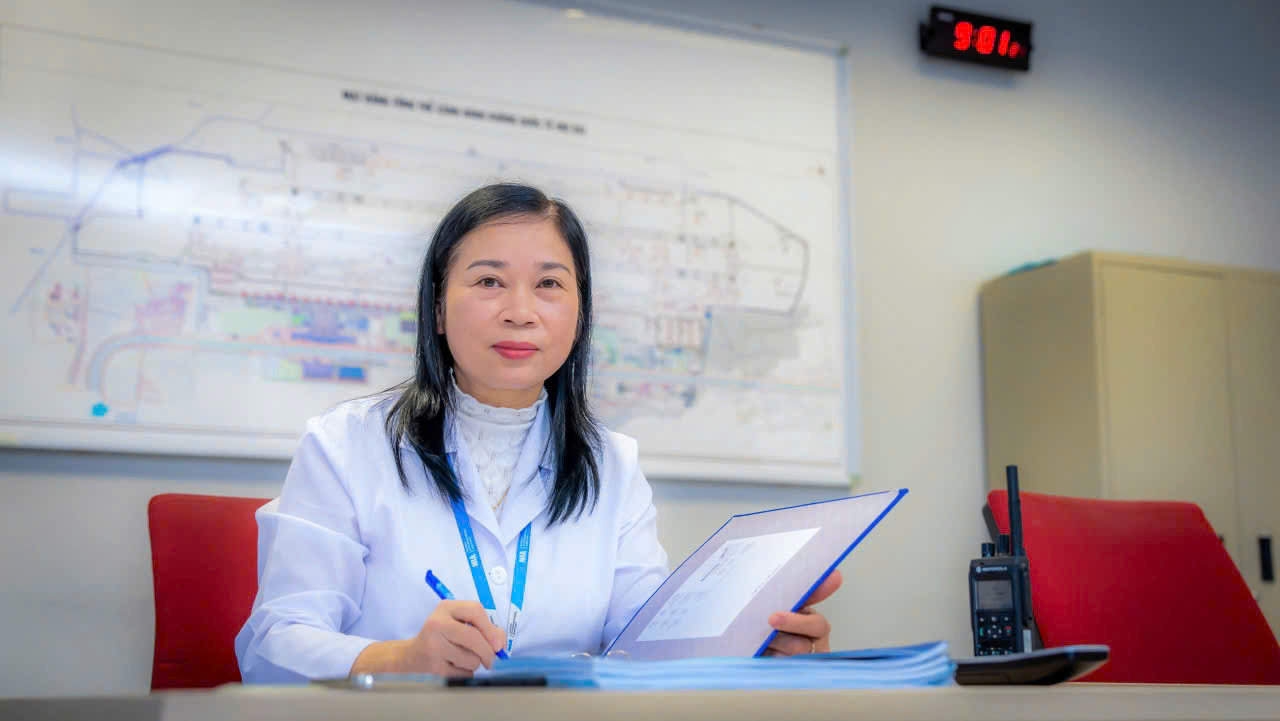
“Here, we do not wait for the sound of New Year’s Eve fireworks; we wait for the crackle of the radio announcing a medical emergency,” shared Dr. Ngo Ngoc Quyen, Head of the Emergency Medical Team at Noi Bai International Airport, as she began telling the story of her colleagues in white coats who stand ready around the clock to safeguard passengers’ health at the gateway to the capital.
Breathless rescues inside the terminal
Few people realize that behind every smooth takeoff and landing are emergency situations where the line between life and death can be measured in seconds. In the days leading up to Lunar New Year, the team’s duty logbook is filled with records of emergency cases—each page telling a story of fragile moments and lives hanging by a thread.
Most recently, on January 3, 2026, an emergency occurred on flight VJ271 from Hai Phong to Ho Chi Minh City. While the aircraft was in the air, passenger N.D.N. (74 years old) suddenly fainted and experienced breathing difficulties. Cabin crew administered oxygen, and the captain decided to request an emergency landing at Noi Bai. Upon receiving information from the control tower, the Airport Emergency Operations Center notified the Emergency Medical Team with details of the flight and the patient’s condition, allowing them to prepare personnel, equipment, and medication in advance. The on-duty team—consisting of one doctor, one medical assistant, and one ambulance driver—quickly moved to Position 42 to provide immediate treatment upon landing. The patient had a history of diabetes and hypertension and was now presenting limb weakness and loss of bladder control—signs of cerebral ischemia and high risk of stroke. Doctors promptly administered oxygen at 5 liters per minute, used Ventolin for bronchodilation, and closely monitored vital signs. Thanks to the optimal use of the “golden hour” onboard, the patient was stabilized before being transferred to the National Hospital for Tropical Diseases (Campus 2).
Another dramatic case involved an international passenger, R.E. (58 years old, Filipino nationality), at Gate 28, preparing to board flight 5J745 to Manila. She had a 10-year history of chronic obstructive pulmonary disease (COPD). The environmental change upon boarding triggered a severe shortness of breath episode, with a respiratory rate of 24 breaths per minute and pulse of 120 beats per minute. The on-duty team led by Dr. Pham Lan Huong, together with another doctor stationed at Level 3 of Terminal T2, responded immediately. Advanced emergency procedures were implemented: Ventolin inhalation, intravenous Solumedrol 40mg, and oxygen at 5 liters per minute. After 10 tense minutes, her breathing improved and pulse stabilized. Although the crisis was over, to ensure her safety, doctors decided to transfer her to Hanoi Heart Hospital for further monitoring instead of allowing her to continue the long-haul flight.
From duty room to aircraft door: A shield of medical consultation
After stabilizing patients, doctors face another crucial responsibility: evaluating fitness to fly.
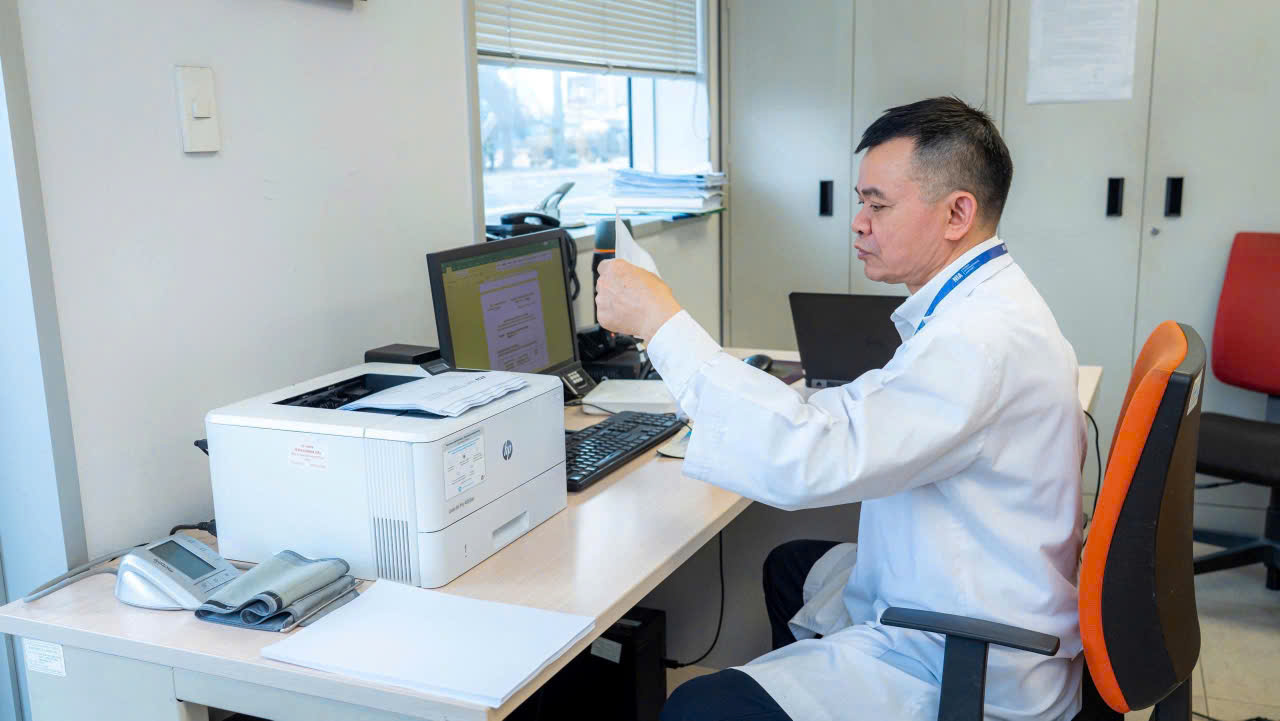
Dr. Ngo Ngoc Quyen explained these critical moments:
“In reality, airport doctors do not directly decide whether a passenger may fly or not. We act as medical advisors, outlining the passenger’s current health status, potential risks associated with cabin pressure changes, and recommending the safest course of action so that both the airline and the passenger can make an informed decision.”
If passengers still insist on continuing their journey, they must sign a liability waiver with the airline. At that point, the boarding pass represents a three-way consensus: the passenger’s determination, the airline’s regulations, and the doctors’ professional medical consultation.
This coordination process is carried out with strict discipline yet flexibility and humanity. For example, on July 4, 2025, Russian passenger S.N. (62 years old) on flight VJ7706 from Nha Trang to Hanoi experienced low blood pressure (80/55 mmHg), cold extremities, and numbness while transiting to her return flight home. The emergency team quickly warmed her, gave ginger tea, administered Calcium Sandoz, and prescribed Heptaminol to raise blood pressure. After 20 minutes of active treatment, her blood pressure improved to 108/70 mmHg and symptoms stabilized. Fully conscious and stable, she signed a waiver with the airline representative and was allowed to continue her journey back to Russia to reunite with her family.
Conversely, some cases near Lunar New Year required immediate intervention and discharge rather than travel. On January 31, 2026, passenger N.T.H. (30 years old) on flight VJ961 from South Korea experienced shortness of breath, panic, and limb spasms. The on-duty team led by Dr. Pham Lan Huong and Dr. Pham Thi Thuy Ngan identified hypocalcemia and administered a slow intravenous injection of Calcium Chloride 500mg/5ml (after an oral Calcium Sandoz tablet was vomited). Within five minutes, symptoms improved significantly. After one hour of close monitoring, the patient fully recovered and was discharged to reunite with her family for Tet.
Tet of those “on standby”
During the peak days before Lunar New Year, the pressure on the Emergency Medical Team grows heavier. Beyond in-flight emergencies, they also serve as a vital support system within the terminal.
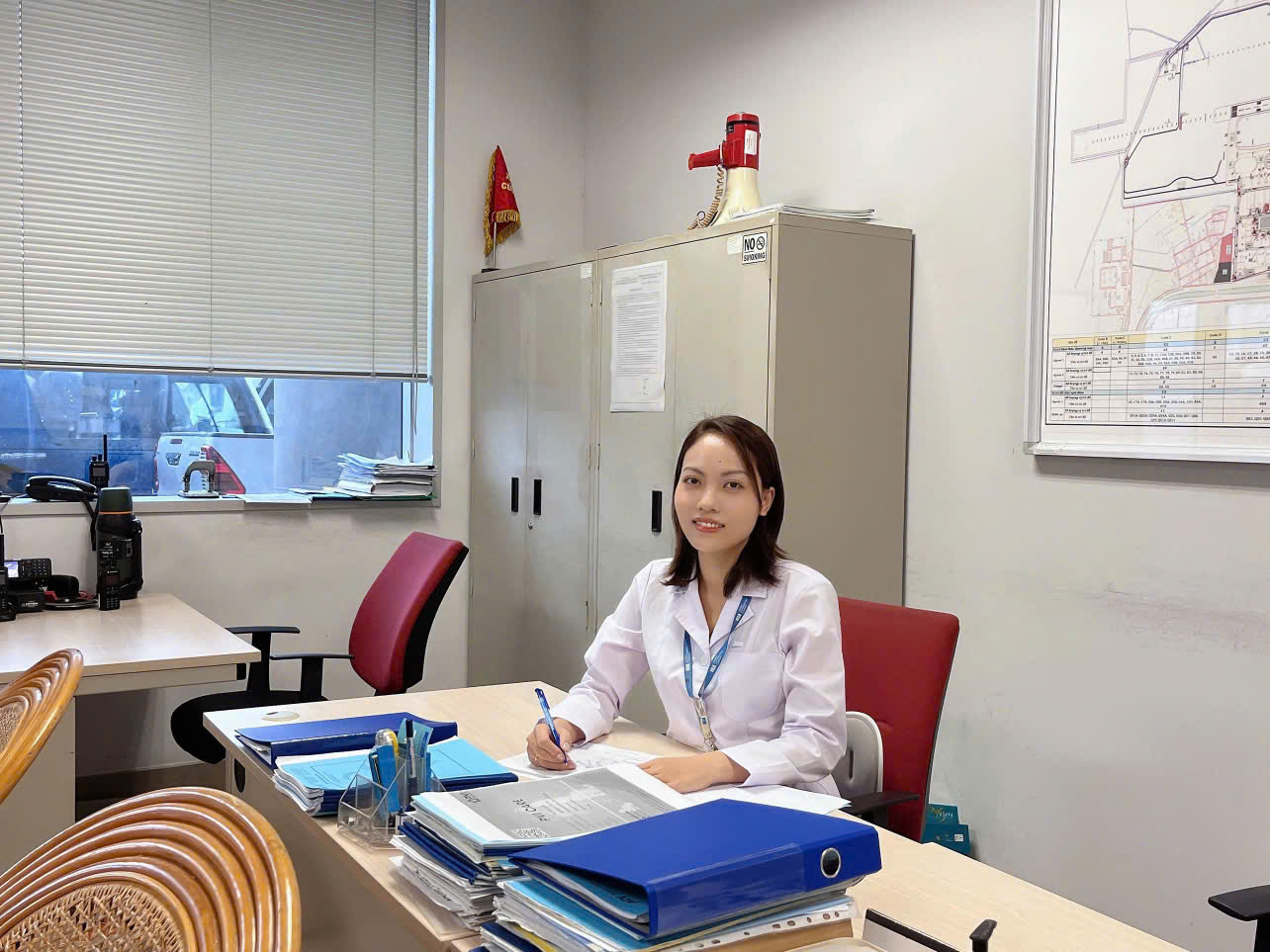
Recently, Dr. Nguyen Thi Thuy Cam responded to a case at the crowded departure area of Terminal T2, where a young female passenger fainted just before boarding. Upon receiving a call from team leader Pham Lan Huong, Dr. Cam arrived immediately and provided first aid amid the bustling crowd until the passenger fully recovered. Thanks to her dedication, the passenger was able to complete departure procedures and later sent a heartfelt thank-you letter: “We are truly grateful for the dedication and timely support.”
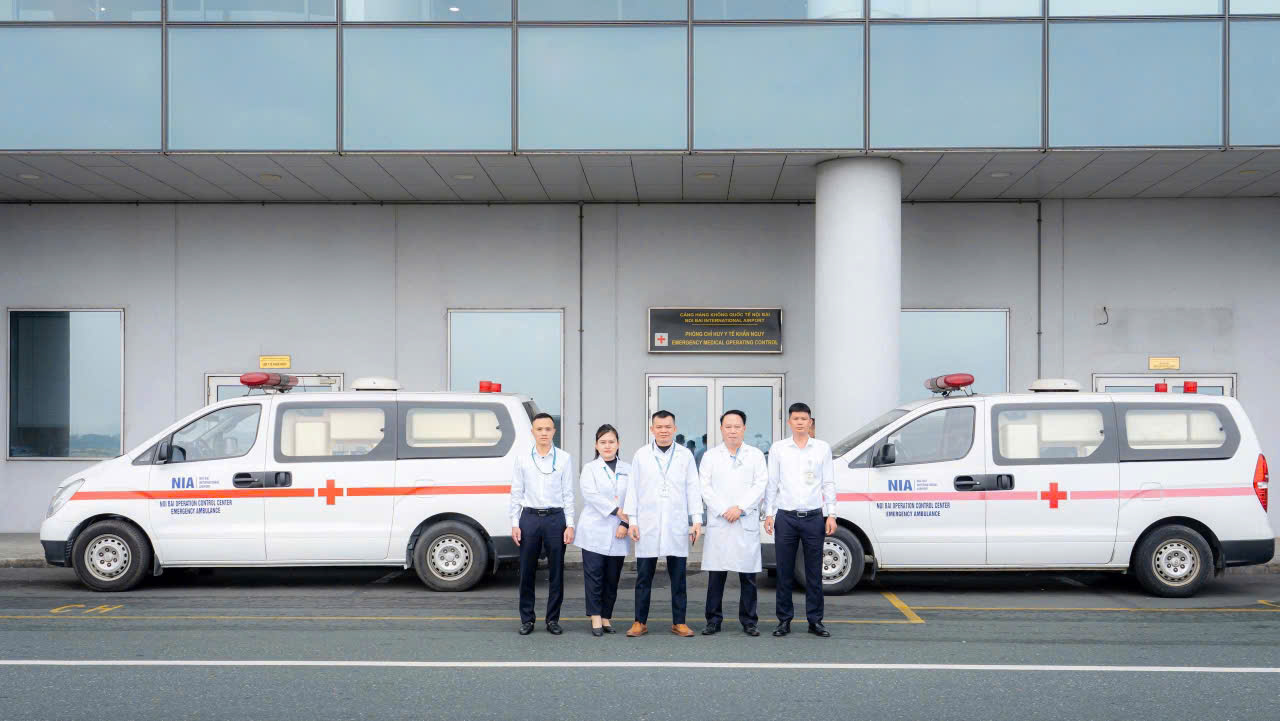
To ensure every homebound journey during Tet is safe and complete, emergency medical services operate 24/7. The Emergency Medical Team consists of 23 members, including doctors, nurses, and ambulance drivers, stationed at three emergency rooms across Terminals T1, T2, and the team’s command center. Day or night, specialized ambulances remain ready to respond at a moment’s notice.
The demanding workload makes the concept of a Tet holiday almost a luxury for these white-coated professionals. Duty rosters are tightly scheduled to ensure 24/7 coverage. Many medical staff postpone holiday preparations, entrust their children to grandparents, and dedicate themselves fully to their mission. Their New Year’s Eve may be spent quietly with a boxed meal on duty—or speeding along in an ambulance.
For them, the joy of Tet lies in the safe arrival of every flight. The relieved smile of a passenger after surviving a critical moment is the most precious “lucky money” they receive. Wherever you are in the vast terminal, the Noi Bai International Airport Emergency Medical Team is there—ready to provide care with professional expertise and wholehearted dedication—so that every journey home is safe and complete.
Advice from the “airport doctors”
To ensure a safe journey, the Emergency Medical Team recommends that passengers with chronic conditions (hypertension, diabetes, cardiovascular or respiratory diseases, etc.) carry their prescribed medications in their carry-on luggage. For medical assistance at the terminal, please contact the nearest airport staff member or call the Emergency Medical Hotline: (024) 3587 6601 or 0984 436 766 for immediate support.