
 22°C
|
°F
HA NOI
22°C
|
°F

Ensuring aviation security is a particularly important responsibility in safeguarding passengers and flights, in accordance with the recommendations of the International Civil Aviation Organization (ICAO). Against a backdrop of global security instability involving terrorism, political conflicts and ethnic tensions, as well as complex security and public order challenges domestically and in the region, the Vietnamese Prime Minister, the Ministry of Transport and the Civil Aviation Authority of Vietnam (CAAV) have directed the implementation of enhanced aviation security measures. These measures aim to prevent, detect and promptly stop the carriage of flammable substances, explosives and dangerous items aboard aircraft that could threaten aviation safety and security. Among them are the detailed provisions of the Vietnam Aviation Security Program and Aviation Security Quality Control Regulations under Circular No. 01/2016/TT-BGTVT dated February 1, 2016.
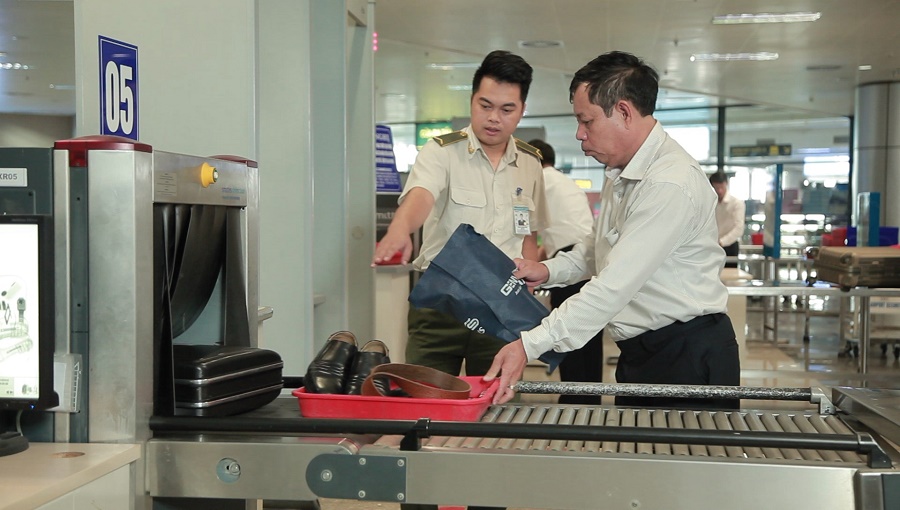
Since May 1, 2016, enhanced security screening measures for passengers and baggage have been implemented across Vietnam's network of 21 airports, including Noi Bai International Airport. These measures include the separate screening of passengers' personal belongings at aviation security checkpoints.
Under Point a, Clause 8, Article 44 of Circular No. 01/2016/TT-BGTVT dated February 1, 2016, passengers are required to remove their shoes, belts, jackets, wallets and other personal items for separate security screening before boarding an aircraft. These requirements have been widely publicized through mass media and at airport security screening areas.
In practice, the vast majority of passengers understand these regulations and either comply voluntarily or cooperate positively with the instructions of aviation security officers. Proactively following security requirements before a flight helps maintain smooth and efficient passenger flows, prevents congestion at screening checkpoints and, most importantly, gives passengers greater comfort and peace of mind about their own flight safety.
However, some passengers still fail to comply with the regulations and behave inappropriately when aviation security officers provide instructions or explanations. One recent incident occurred at approximately 6:00 AM on October 27, 2016, in Hall E of Passenger Terminal T1. While undergoing security procedures for flight VJ161, passenger Nguyen Minh Duc was uncooperative when instructed by security screening personnel to remove his shoes and take his wallet out of his pocket before passing through the walk-through metal detector.
Aviation Security Officer Bui Hong Ngoc attempted to explain that the requirement to remove shoes for security screening was stipulated in Article 44 of Circular No. 01/2012/TT-BGTVT. However, the passenger complied reluctantly and made gestures and remarks considered disrespectful toward the security officer.
To prevent congestion at the screening checkpoint, aviation security personnel invited the passenger into the Security Screening Team's duty office to provide a more detailed explanation. Following the explanation, the passenger left without further comment. The following day, he submitted a complaint to the Civil Aviation Authority of Vietnam and Noi Bai International Airport, alleging that he had been physically assaulted by security personnel.
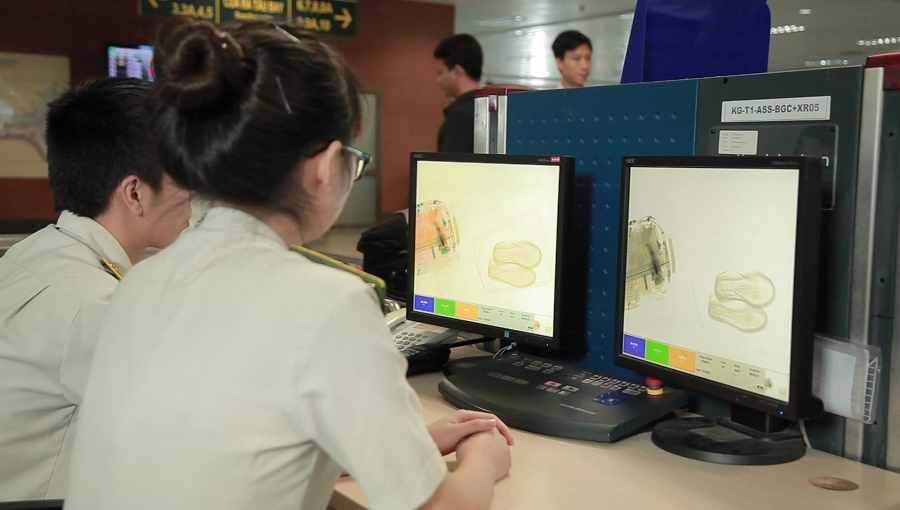
After reviewing footage recorded by the security surveillance camera system at the screening checkpoint on Level 2 of Hall E, Terminal T1, together with written statements from the employees involved, Noi Bai International Airport determined that Aviation Security Officer Bui Hong Ngoc had conducted the security screening of passenger Nguyen Minh Duc in accordance with Circular No. 01/2016/TT-BGTVT dated February 1, 2016. The airport's review found no evidence of the alleged misconduct against the passenger as described in his complaint.
To strengthen passengers' awareness of and compliance with aviation security regulations, efforts are required not only from aviation regulatory authorities, airlines and airport operators but also from press and media organizations. Timely and widespread communication of aviation security requirements and guidance to the public plays an important role in maintaining public order, aviation security and national security.